Article: Why invest in handcrafted Jewellery?
Why invest in handcrafted Jewellery?
Choosing a handcrafted jewel means choosing time, lasting material, and a gesture that is never repeated in exactly the same way. Each piece carries the trace of the hand that shaped it. Its value comes as much from material quality as from the mastery required to transform it.
Why choose handcrafted jewellery?
These days, we’ve all noticed it: mass-produced jewellery is everywhere.
It’s on online shopping sites, in shopping centres, at markets...
Everywhere you look, you find identical pieces, churned out on an assembly line – affordable, certainly, but above all of inferior quality and easily forgettable.
There is another approach to jewellery. One that requires time, intention and care, and which ultimately guarantees uniqueness and durability.

What sets handcrafted jewels apart
So why choose a handcrafted piece, one forged by hand? Because it embodies three essential elements that industrial production cannot and will never be able to offer.
The time devoted to its creation
Industrial jewellery is produced for profit. Handcrafted
jewels are produced for quality.
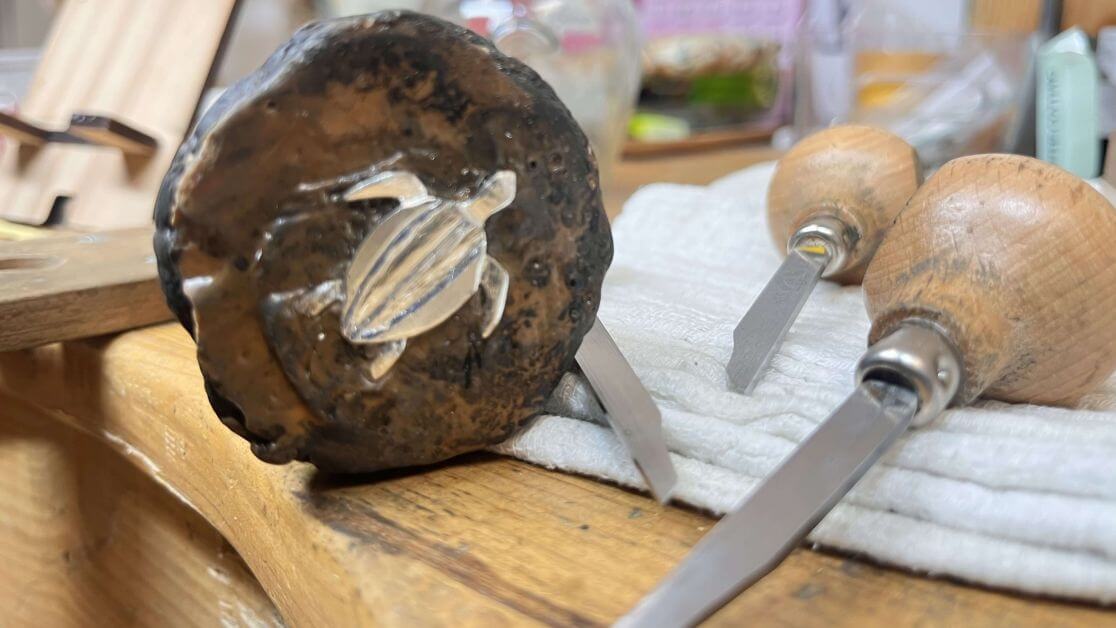
The difference in production time is vast. Whereas a moulded piece takes a few minutes, a hand-forged piece takes hours, sometimes days or months. It is time invested in every detail.
Handcrafted expertise
It is a question of technique, skill and a keen eye. Over the course of years
of practice, a jewellery artisan develops a deep understanding of metal, materials and proportions. They can sense when something isn’t quite right. They know how to make adjustments along the way and adapt to the unexpected to create something even better.
A mould, on the other hand, makes no such adjustments. It merely reproduces.
The quality of the materials
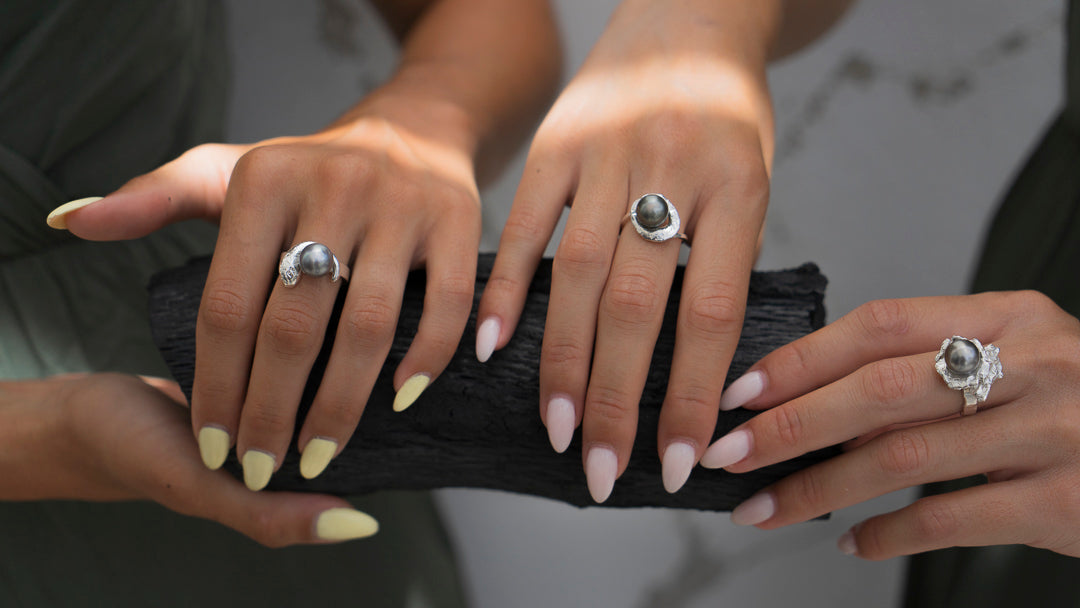
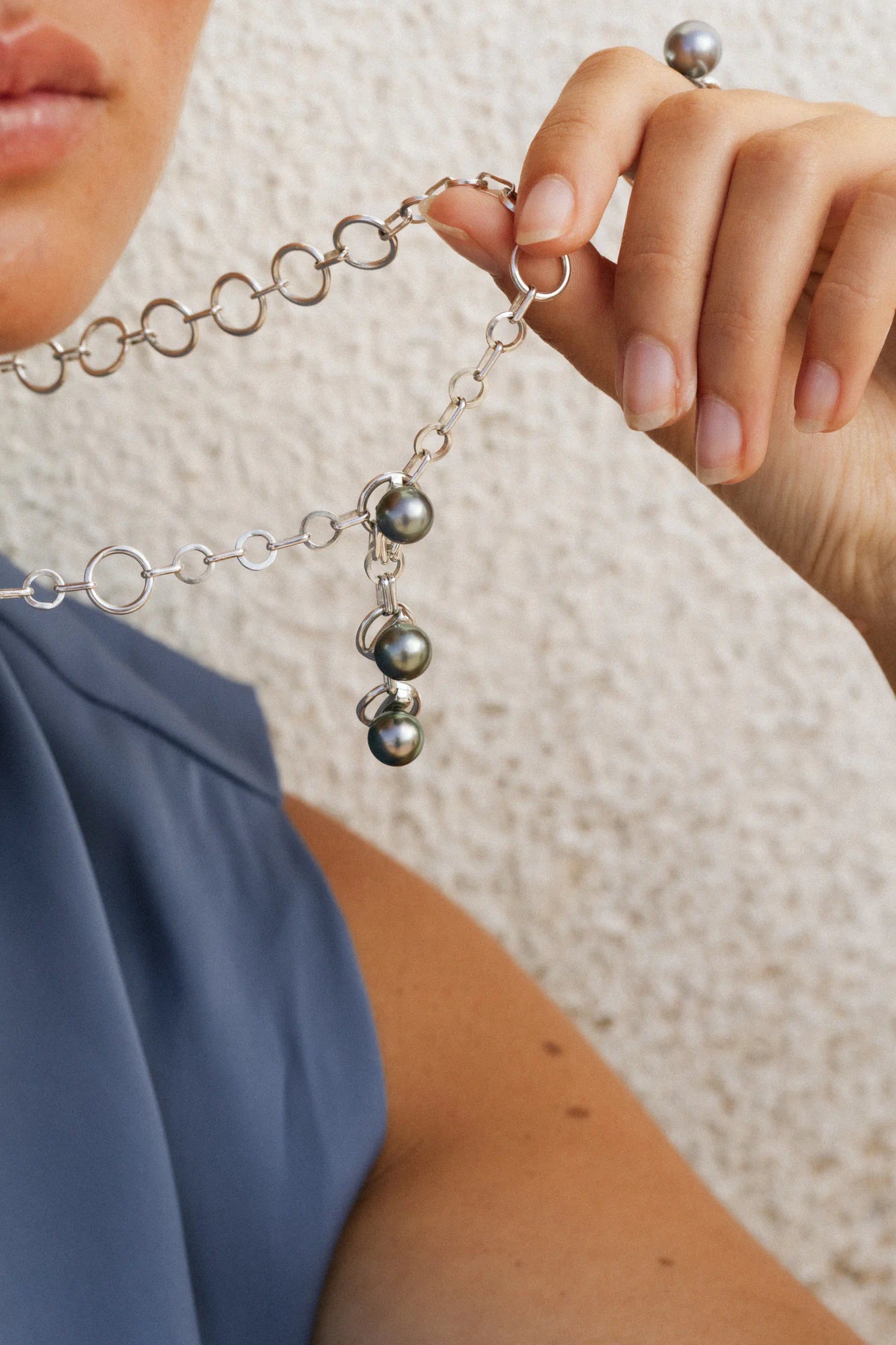
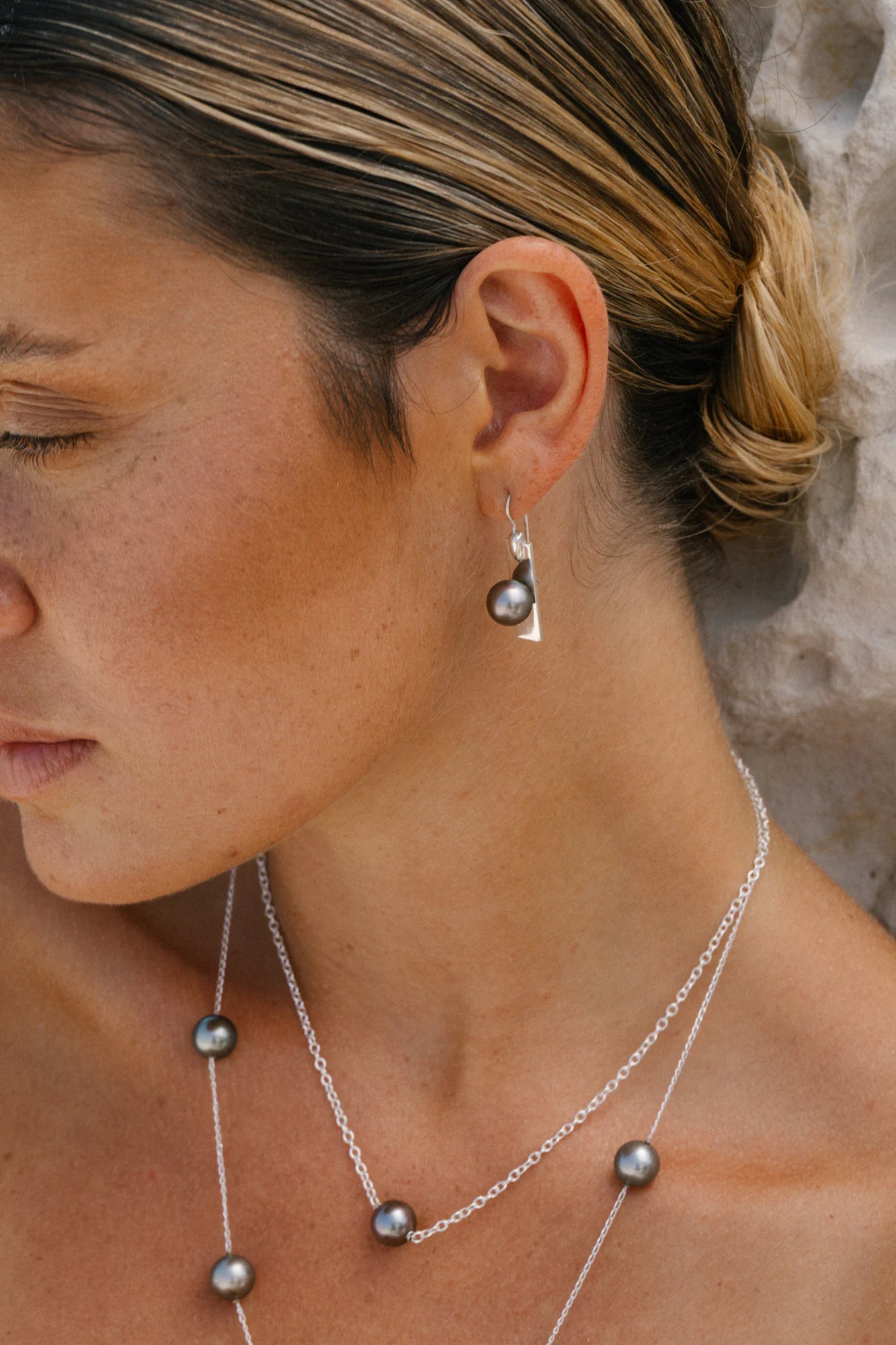
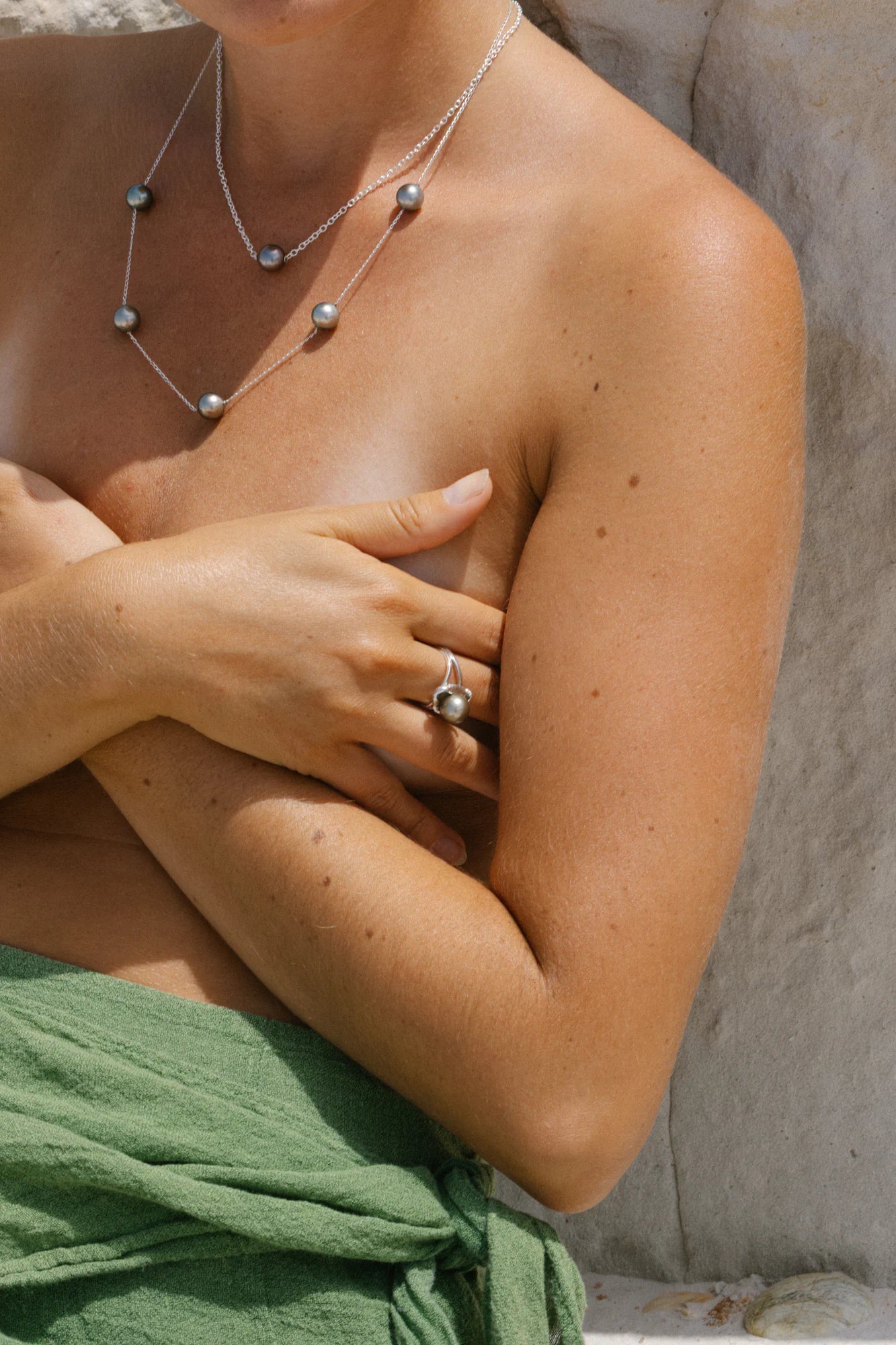
Solid silver, Tahitian pearls and natural gemstones, chosen for their beauty and durability, are not cheap materials because they are precious.
Cheap mass-produced jewellery uses fragile alloys and plating that wears off. Handcrafted jewels use materials that truly last and have real value.

An investment that goes far beyond money
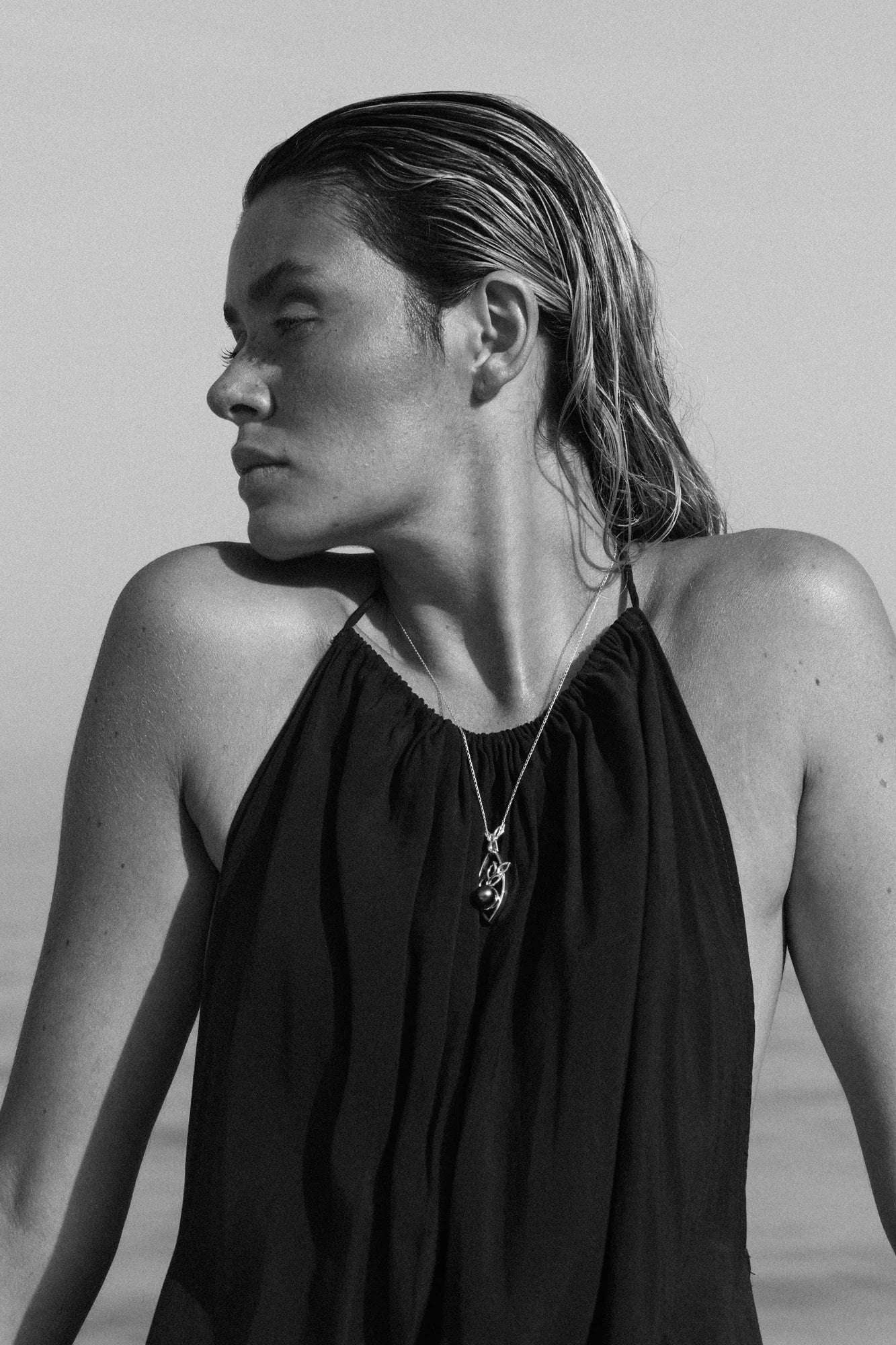
A valuable piece of jewellery that stands the test of time is a true legacy, a companion for generations.
It becomes an object of value and emotion. A ring given to mark a birth becomes a symbol of generations. A pendant marking a defining moment in life is passed down from mother to daughter. A necklace worn for 100 years tells the story of a whole life.
We all share moving stories at family gatherings: that watch from Grandma that has been passed from wrist to wrist, that ring that has never left a hand. It is handcrafted jewellery that creates these stories.
Why is it a question of meaning?
Choosing a handcrafted jewel means making a choice and saying “no” to overconsumption, “no” to disposable items disguised as jewellery.
It also means saying “yes” to something genuine, to a person who has crafted this piece with their own hands, to an object that will never be identical to another, to a lifelong companion.
At Honu, every piece of jewellery is crafted with the utmost respect for materials and ancestral traditions.
The real question isn’t: how much does this piece of jewellery cost?
The real question is: “What does this piece of jewellery represent?”