

Article: The Symbolism of Silver in Viking Culture and the Eddas
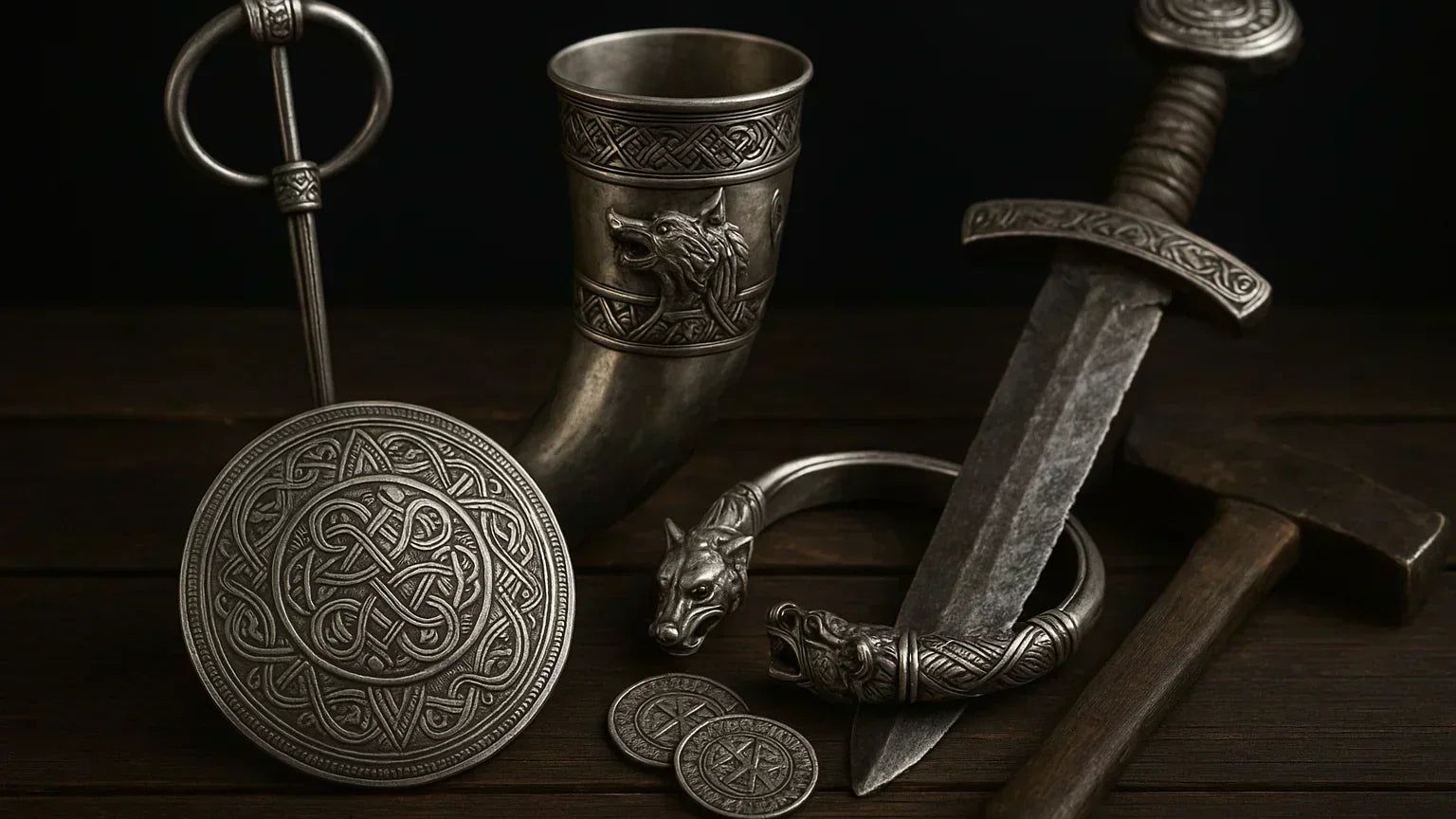
The Symbolism of Silver in Viking Culture and the Eddas
In the Eddas and Viking societies, silver represents more than wealth. It is linked to the moon, the given word, oath rings, and clan loyalty. This white metal carries a symbolism of inner clarity and transmission.
In Norse mythology, as recounted in the Poetic Edda and the Prose Edda (13th century, compiled by Snorri Sturluson), silver occupies a subtle and essential place in the symbolic universe of gods and kings.
Gold embodies sunlight, dazzling wealth, and visible royalty.
Silver, on the other hand, represents inner nobility, purity, wisdom, loyalty, and reflected light, that of the moon rather than the sun.
Symbol of clarity and loyalty
Among the ancient Scandinavians, silver was considered the metal of truth and sacred bonds. It was used to make oath rings, which warriors swore never to betray.
These rings, often made of solid silver, symbolized clan loyalty and the promise of a word, fundamental values in Nordic societies.

It was said that a man "wore pure silver" when he lived according to honor, transparency, and his word.
Conversely, breaking an oath was tantamount to "tarnishing one's silver"... a very telling metaphor for moral oxidation.
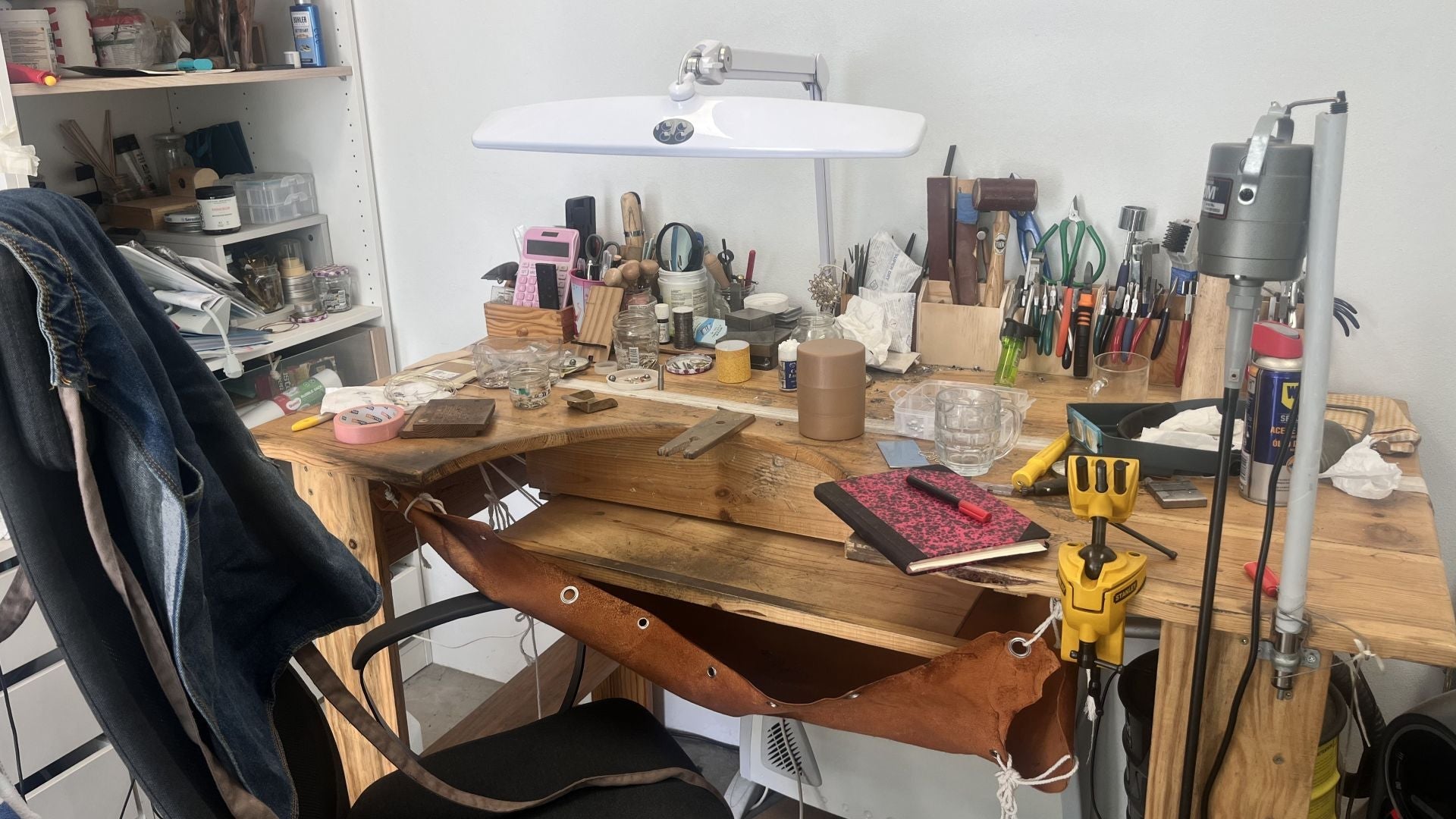
Silver, the metal of artisan nobility
In the Eddas, the dwarves (mythical blacksmiths) are described as the guardians of precious metals. They work in the bowels of the Earth, forging the weapons and jewellery of the gods: Thor's hammer (Mjölnir), Odin's spear (Gungnir), Freyja's necklace (Brísingamen).
In this context, silver is linked to the art of craftsmanship, the masterful transformation of materials, and manual intelligence, qualities that the gods themselves respected.
This is why, in medieval Scandinavia, offering a piece of silver jewellery or a silver cup was an act of recognition of the value and rank of the recipient.
Lunar and feminine metal
In the Eddic poems, silver is associated with the Moon, just as gold is associated with the Sun.
The goddess Sól drives the sun chariot, while her brother Máni guides the moon, described by poets as "silvery and silent."
Thus, in Norse thought, silver represents reflected light, calm after battle, and wisdom that tempers strength.
It is the symbol of benevolent gods, just alliances, and cycles of rebirth.
Heritage and transmission
Archaeological discoveries in Viking graves confirm this special status: elite warriors, chiefs, and high-ranking women were buried with solid silver objects such as brooches, rings, necklaces, and engraved utensils.
These objects were signs of wealth, but also marks of honor and continuity.
Silver linked the living to their ancestors: it does not corrode, it develops a patina, like memory.
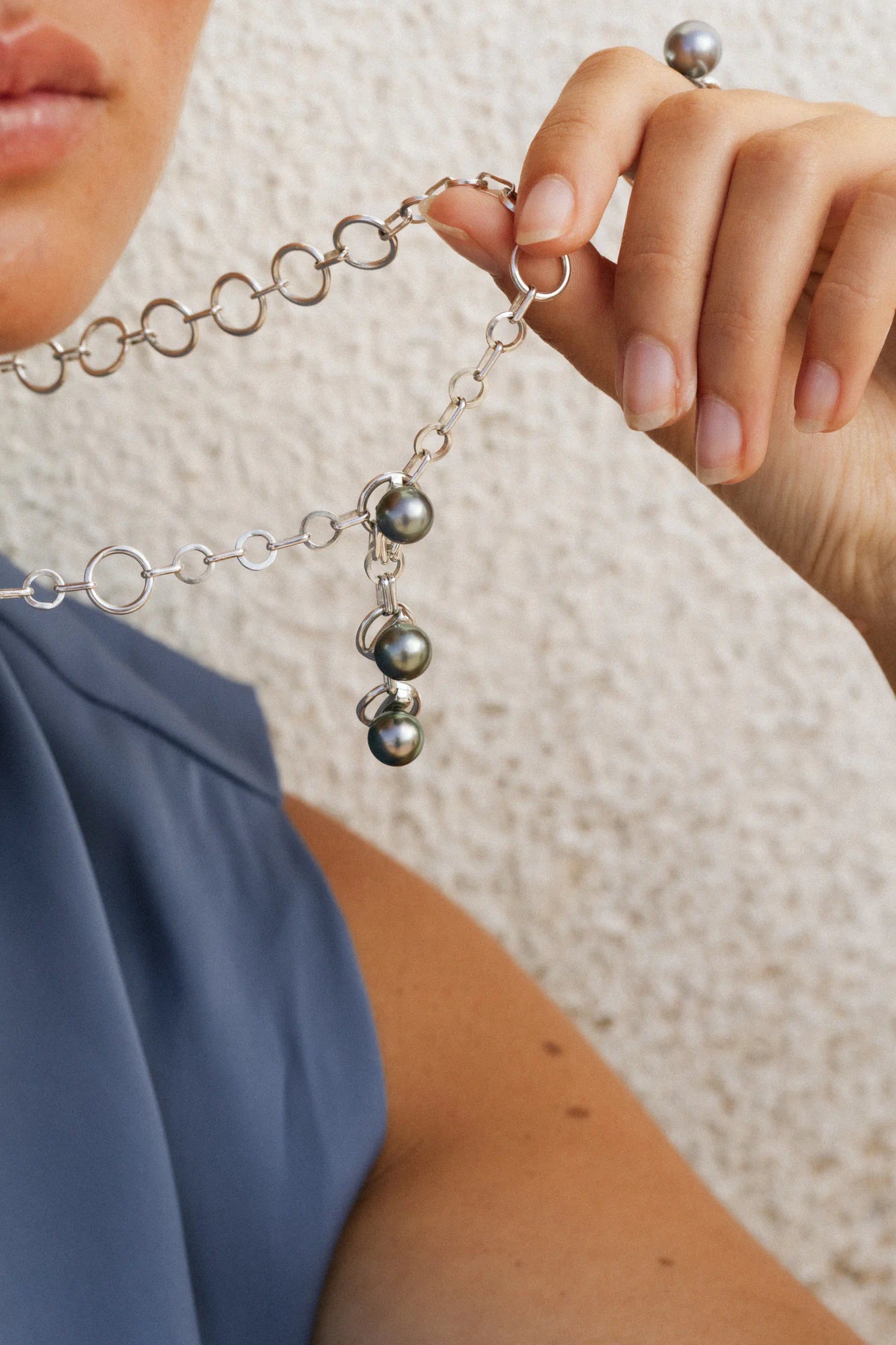
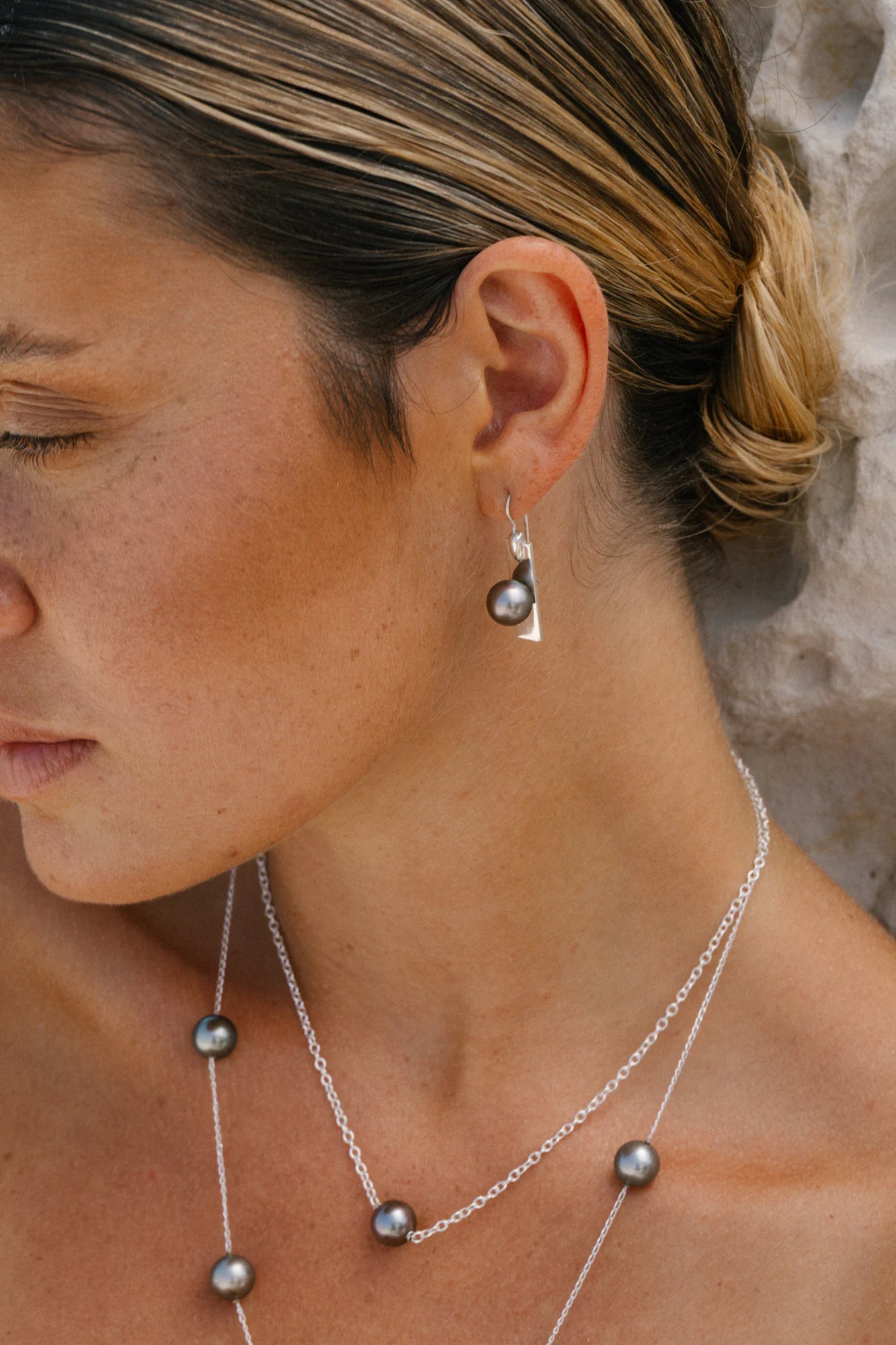
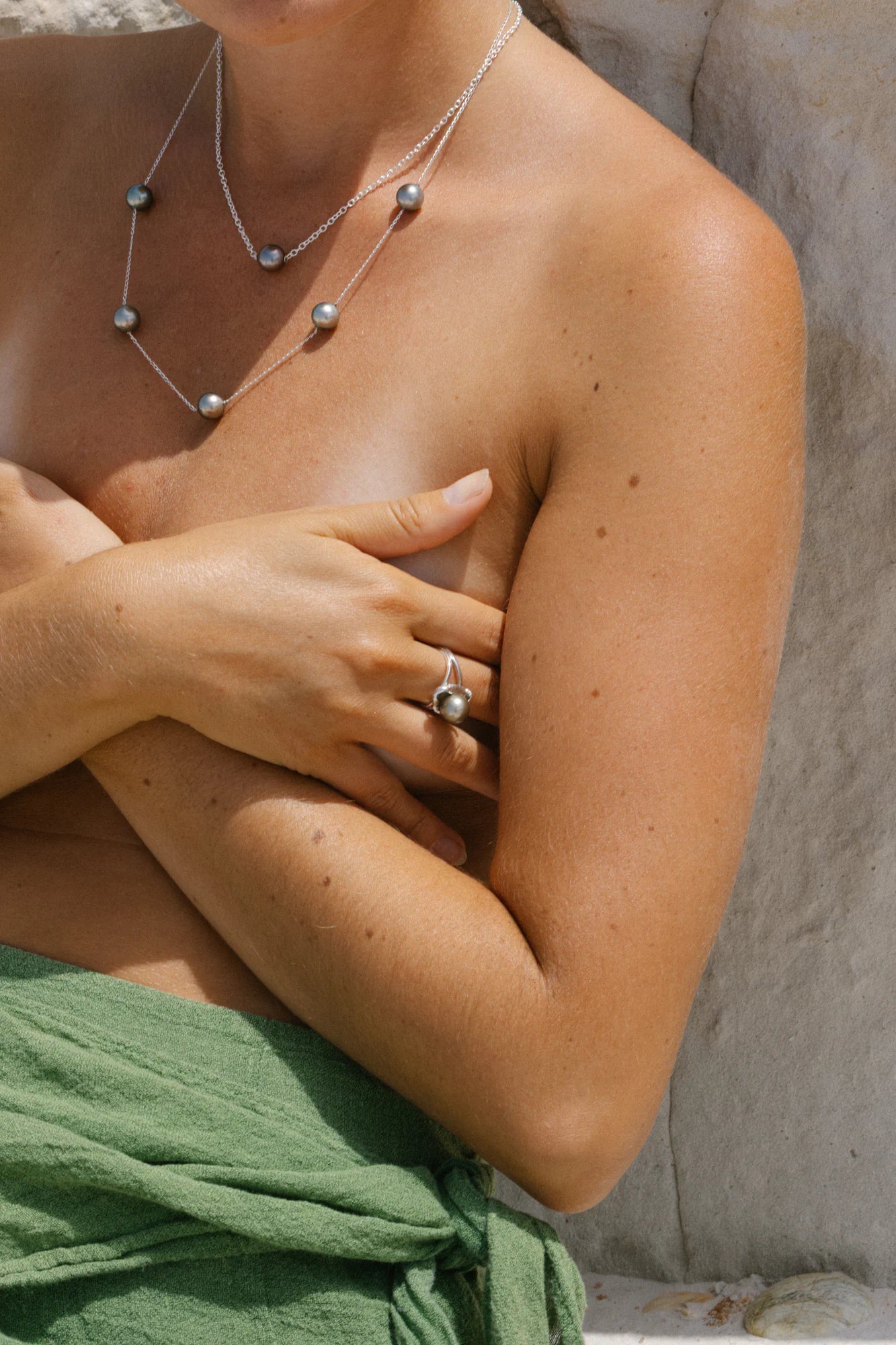
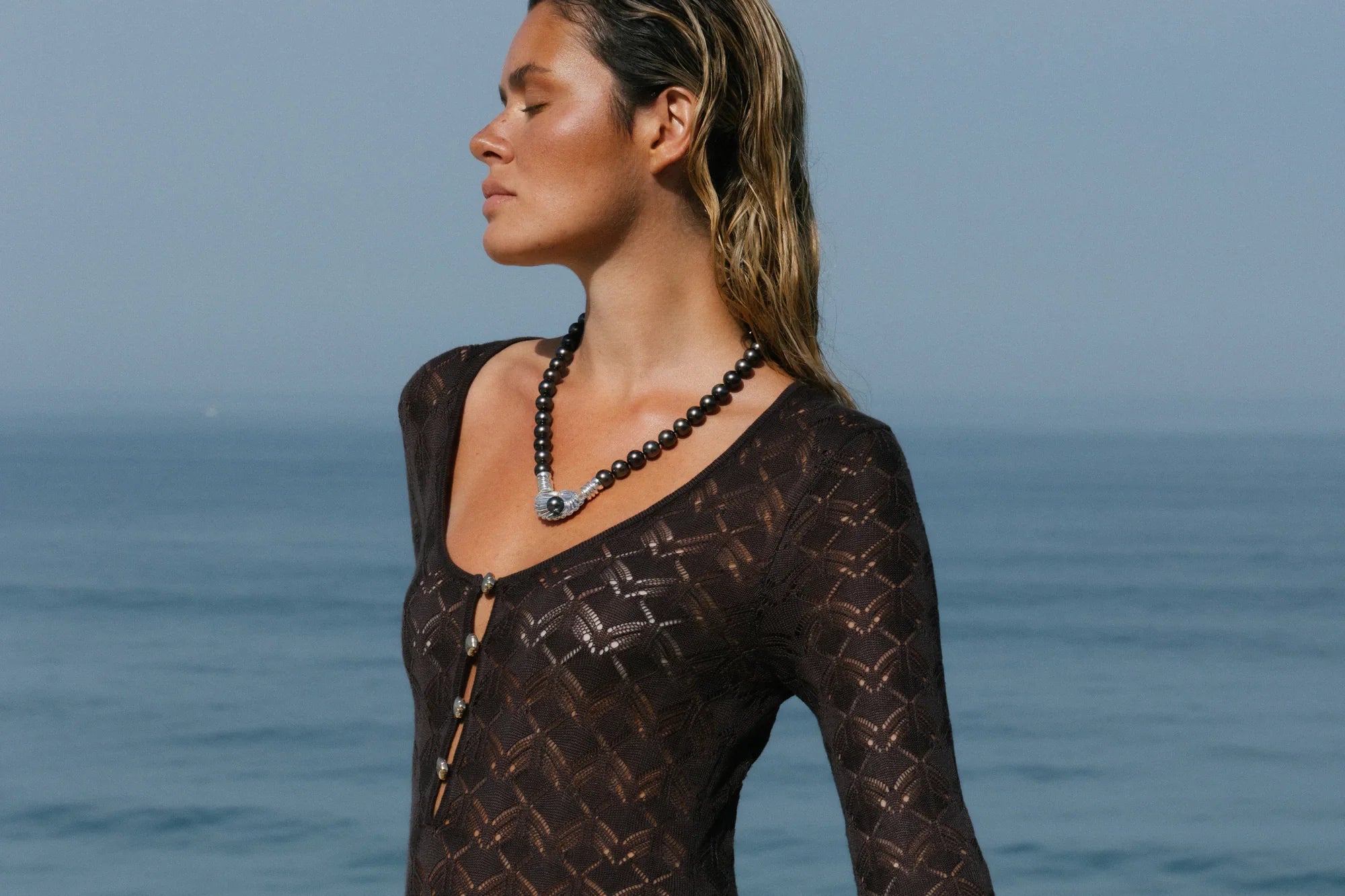
It is precisely because of this ability to stand the test of time without losing its value or symbolism that solid silver is at the heart of Honu Creations. They are designed to connect generations and carry within them the memory of the gesture and its meaning.
It is precisely because of this ability to stand the test of time without losing its value or symbolic meaning that solid silver lies at the heart of Honu’s creations. They are designed to bridge generations and carry within them the memory of craftsmanship and meaning.

Frequently Asked Questions
In the Eddas (13th-century Scandinavian mythological texts), silver represents inner nobility, purity, wisdom, and loyalty. Unlike gold, which embodies sunlight and visible wealth, silver symbolizes the reflected light of the moon, the calm after the battle, and the wisdom that tempers strength.
Among the ancient Scandinavians, silver was considered the metal of truth and sacred bonds. Solid silver wedding rings symbolized clan loyalty and the giving of one's word. A man who "wore pure silver" lived according to honor and transparency. Breaking an oath was tantamount to "tarnishing one's silver," a metaphor for moral oxidation.
In the Eddas, dwarves are mythical blacksmiths who work with precious metals in the bowels of the Earth. They created the legendary weapons of the gods: Mjölnir (Thor's hammer), Gungnir (Odin's spear), Brísingamen (Freyja's necklace). Silver is thus linked to the art of crafting, the controlled transformation of matter, and manual intelligence.
Archaeological discoveries in Viking graves show that elite warriors and high-ranking women were buried with solid silver objects: brooches, rings, necklaces. Silver linked the living to their ancestors because it does not corrode, it develops a patina like memory. It is a metal that has survived the centuries without losing its value or symbolism.

,%20silver%20occupies%20a%20subtle%20and%20essential%20place%20in%20the%20symbolic%20universe%20of%20gods%20an...)